A Day In The Life
Front Office - Trader Roles
Real-Time Trader
A real‑time power trader manages a constantly shifting stream of supply, demand, and grid conditions to buy and sell electricity for immediate delivery. They monitor system load, generation outages, congestion, and price spikes minute by minute. Their job is to anticipate short‑term imbalances—like sudden wind drops or unexpected load ramps—and trade around them before the rest of the market reacts. They also optimize physical assets or contractual positions, deciding when to dispatch generation, curtail load, or reshape schedules.
Natural Gas Trader
A gas trader manages the flow of natural gas across pipelines, storage fields, and markets to capture value from constantly shifting supply‑demand conditions. They watch weather, production changes, pipeline constraints, and storage levels to anticipate short‑term price moves. Their day revolves around optimizing transport and storage assets—deciding when to inject, withdraw, or reroute gas to higher‑value markets. They negotiate physical deals, schedule pipeline nominations, and balance positions against real‑time operational changes. Risk management is continuous because outages, freeze‑offs, or sudden demand spikes can move prices sharply.
Congestion Revenue Rights Trader
A CRR trader analyzes congestion patterns on the power grid and uses Congestion Revenue Rights to hedge or profit from expected transmission constraints. They study historical flows, outage schedules, load forecasts, and nodal price behavior to predict where congestion will appear tomorrow, next month, or next year. Their day revolves around bidding in CRR auctions, managing a portfolio of rights, and evaluating how those positions will settle against real‑time congestion.
Foreign Exchange Trader
An FX trader buys and sells currencies to profit from movements in exchange rates across global markets and hedges open cash positions on balance sheets. They monitor macroeconomic data, central‑bank policy, geopolitical events, and capital flows to anticipate short‑term and medium‑term currency shifts. Their day revolves around managing positions, quoting prices to clients, and executing trades across highly liquid, 24‑hour markets.
Renewable Credits Trader
A renewable credits trader buys and sells environmental credits such as RECs, RINs, LCFS credits, or carbon offsets to capture value from policy‑driven markets. They track regulatory changes, compliance deadlines, renewable generation output, and credit supply‑demand balances to anticipate price movements. Their day revolves around sourcing credits from generators, negotiating deals with obligated parties, and managing a portfolio across multiple compliance programs. They constantly evaluate policy risk because a single rule change can dramatically shift credit values.
Back Office Roles
Settlements Analyst
Confirmations Analyst
Credit Analyst
Contracts Analyst
My analyst role at Alliance Bernstein and Energy Transfer had settlements responsibilities. Day to day you can expect working in excel spreadsheets, looking at invoices containing quantities traded (equities, barrels, MMBTUs etc.), talking to counterparty's back office personnel (Energy companies/banks), and using internal software used for booking trades etc. This role sends and recieves payments for traded quantities, solves problems with payments, and ensures money switches hands correctly using various software platforms. This role may be a few roles away from the trader role but it is a good way to learn some things about the business and get experience. You can parlay your exprience from this into a higher level role.


Crude Oil Trader
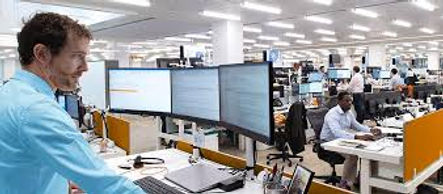
A crude oil trader manages exposure to global oil markets by buying and selling physical barrels, futures, and spreads tied to benchmark grades like WTI and Brent. They track supply‑demand fundamentals—OPEC decisions, refinery runs, shipping flows, geopolitical risks, and inventory data—to anticipate short‑term and seasonal price moves. Their day revolves around optimizing logistics: securing pipeline space, arranging tanker movements, and timing deliveries to capture arbitrage between locations or qualities. They negotiate physical deals with producers, refiners, and marketers while hedging price risk through derivatives.
Day Ahead Power Trader
A day‑ahead power trader builds the next day’s portfolio by forecasting load, renewables, outages, and congestion across the grid. They submit bids and offers into the day‑ahead market to lock in prices for energy, ancillary services, and congestion positions before real‑time volatility hits. Their job is to anticipate tomorrow’s system conditions—wind ramps, solar shape, weather swings, transmission constraints—and structure positions that will be profitable under those scenarios.
Bond Trader
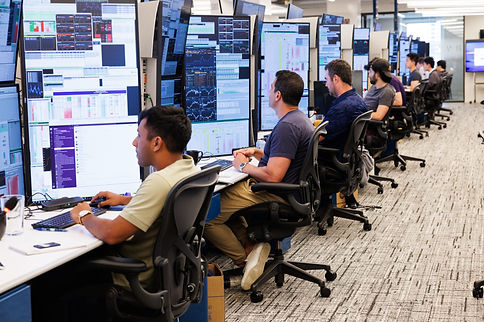
A bond trader buys and sells government, corporate, or municipal bonds to profit from changes in interest rates, credit risk, and yield curves. They monitor macroeconomic data, central‑bank policy, inflation trends, and market sentiment to anticipate how yields will move. Their day revolves around pricing bonds, managing inventory, and executing trades with clients or on proprietary books. They constantly evaluate duration, convexity, and credit spreads to shape positions with the right risk profile.
Refined Products Trader
A refined products trader buys and sells gasoline, diesel, jet fuel, and other downstream petroleum products to capture value from shifts in supply, demand, and refinery economics. They track refinery outages, crack spreads, seasonal demand patterns, and shipping flows to anticipate price movements across regions and product grades. Their day revolves around optimizing logistics—booking pipeline space, barges, railcars, or tankage—to move product to the highest‑value markets. They negotiate physical deals with refiners, wholesalers, and end‑users while hedging exposure through futures and swaps.

Middle Office Roles
Risk Analyst
Profit and Loss (P&L) Reporting Analyst
Position Reporting Analyst
Accounting Analyst
Middle Office risk roles often are responsible for reporting the desk's position in the market (how many contracts owned or exposure for a specific product), accounting, and calculating profit and loss. My middle office responsibilities were heavy in excel. The role consists of preparing reports, understanding the desks trades, compliance, and more. Middle office roles offer the opportunity to learn the mechanics of the trading desk. You may learn about spreads in the market between two traded points in gas and crude markets, futures trading, swaps trading, why trades make and lose money, many aspects of the trading desk post and pre trade.
You solve problems with team members, front office, troubleshoot deal entry into internal software, prepare reports, and it can also entail booking accounting entries in SAP for derivatives and financial reporting.
Other Front Office Roles
Trading Analyst
Trading Analysts often do analytical work for traders along with trade execution and report preparation. They build dashboards in Excel and Power BI to enhance trading strategies and intelligence and work side by side traders to increase P&L on their desk.
Schedulers
Gas schedulers track and nominate gas flow in internal systems and on pipelines Electronic Bulletin Boards (EBBs). They also talk to pipeline customers and troubleshoot volume discrepancies for trade desks and customers. Schedulers are tasked with making sure the MMBTUs get from A to B on the pipeline and often have on-call responsibilites and rotating shifts.